





Blazer EV VS The Competition
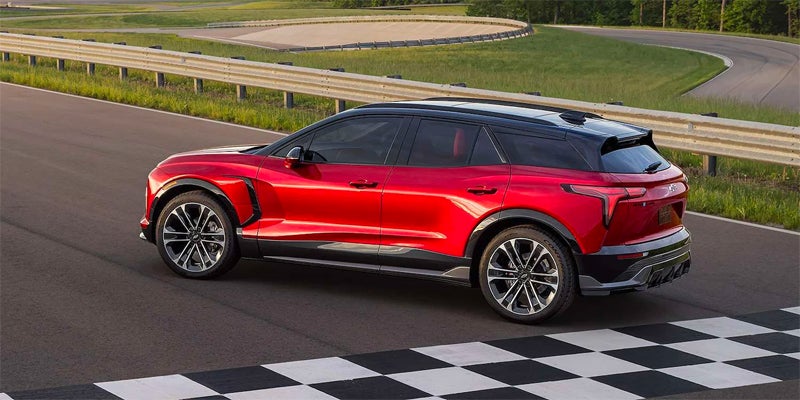
Chevy Blazer EV vs Ford Mach-E
In the landscape of electric vehicles, the Chevrolet Blazer EV and the Ford Mustang Mach-E emerge as dynamic contenders, each offering distinct advantages and innovations.
While both models have their merits, it's important to know which features can make either option a better choice for those seeking an EV.
Both the Chevy Blazer EV and the Ford Mustang Mach-E boast impressive features and capabilities, making them worthy contenders for drivers in Santa Ana, Orange County , and Corona .
As stalwarts in the automotive industry, Chevrolet and Ford have consistently pushed the boundaries of performance and design. With the introduction of the Blazer EV and the Mach-E, this legacy continues, marking a new chapter in the evolution of electric mobility.
Many car shoppers may wonder if the Blazer EV is worth spending money on over the Mustang Mach-E, so let’s explore what sets them apart and why the former might be seen as a superior piece of machinery.
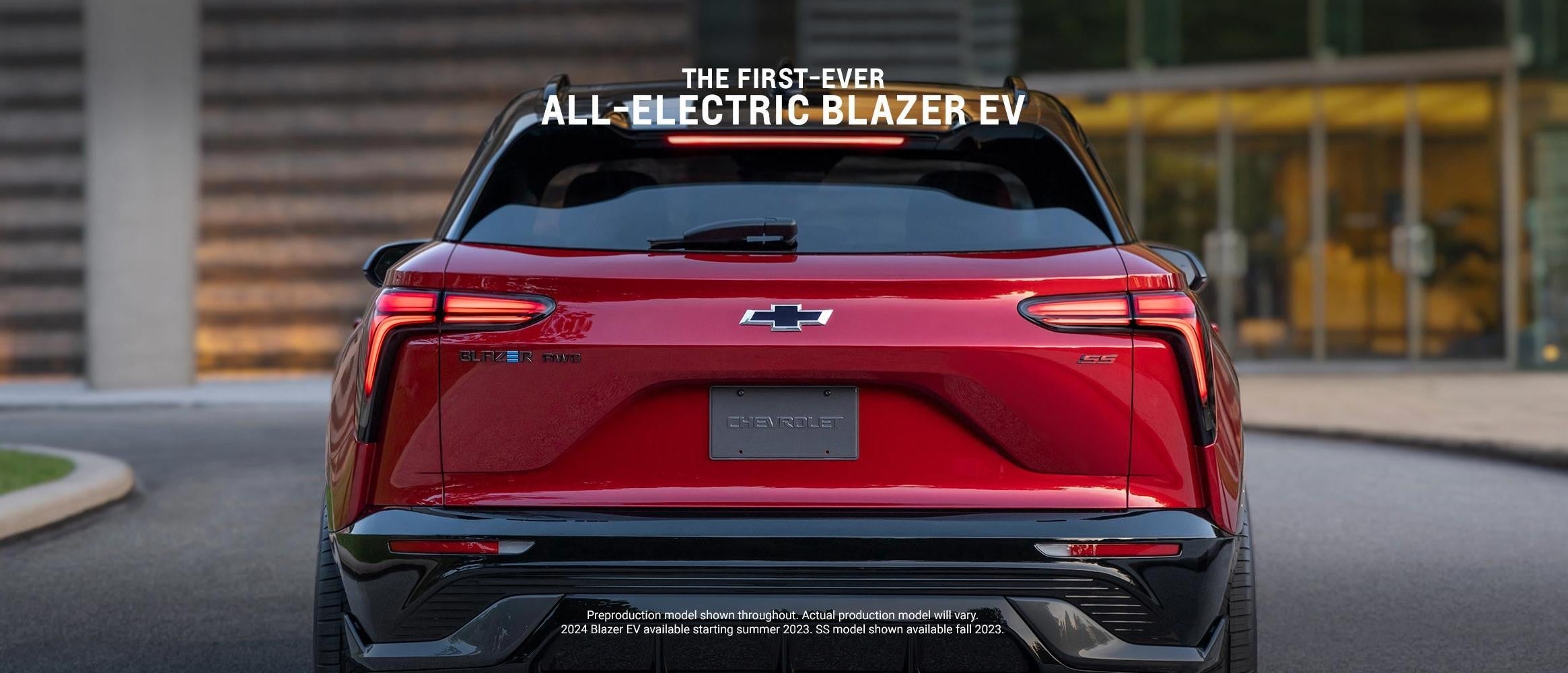
Blazer EV is the complete package with style, performance and technology
Available in multiple trims, colors and battery ranges, this daring new all-electric midsize SUV is built from the ground up around the game-changing Ultium battery platform. Ultium offers flexibility in charging speeds, range and performance — giving the sporty Blazer EV the sheer power and confidence needed to go the distance.
Performance & Charging:
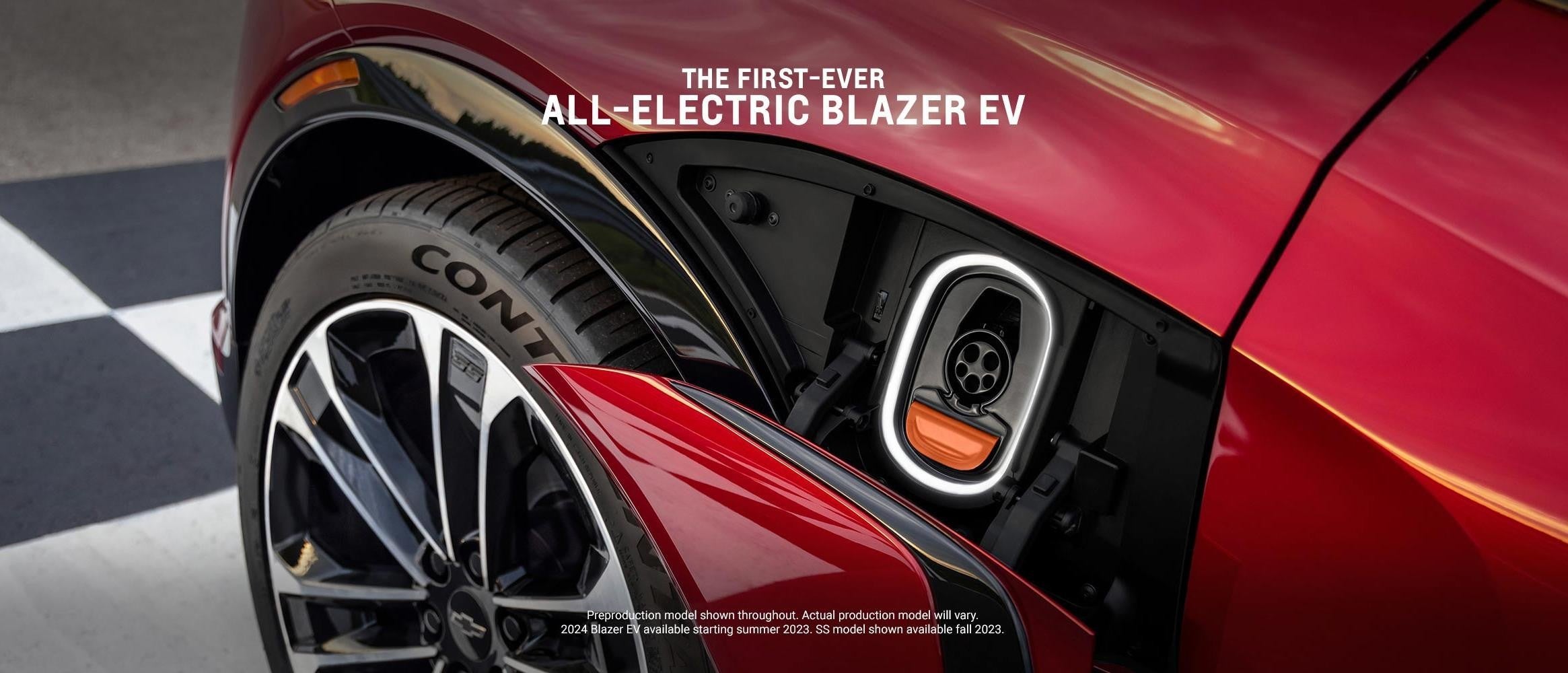
One of the main things to consider when getting an electric vehicle is the range it will provide. With the average U.S. driver traveling 37 miles per day in their car according to the Department of Transportation, having a larger range could mean you could commute around for the week on a single charge. Both of these models can exceed the 300-mile mark when it comes to their range. The Ford Mustang Mach-E specifically has a maximum range that reaches an EPA-estimated 312 miles. With the 2024 Chevy Blazer EV, you can get even more mileage from the car’s electric power with an EPA-estimated range of up to 324 miles. With the country’s average in mind, that adds up to almost an extra half a day of travel each time you fully charge the battery.
The Chevrolet Blazer EV and the Ford Mustang Mach-E present a range of motor and battery configurations, catering to diverse driving preferences, from front-wheel drive to full electric all-wheel drive systems. In terms of performance prowess, the Mustang Mach-E's top-tier trim – the GT Performance Edition – impresses with 480 horsepower and 634 pound-feet of torque. Yet, these formidable numbers are outshone by the Blazer EV's SS trim, boasting a commanding 557 horsepower and 648 pound-feet of torque. Such formidable power translates to a blistering acceleration from 0-60 mph in under four seconds for the Blazer EV, nearly matching the Mustang Mach-E's GT version, which accomplishes the feat in 3.7 seconds, despite both vehicles sharing an all-wheel-drive setup.
Aesthetic & Design:
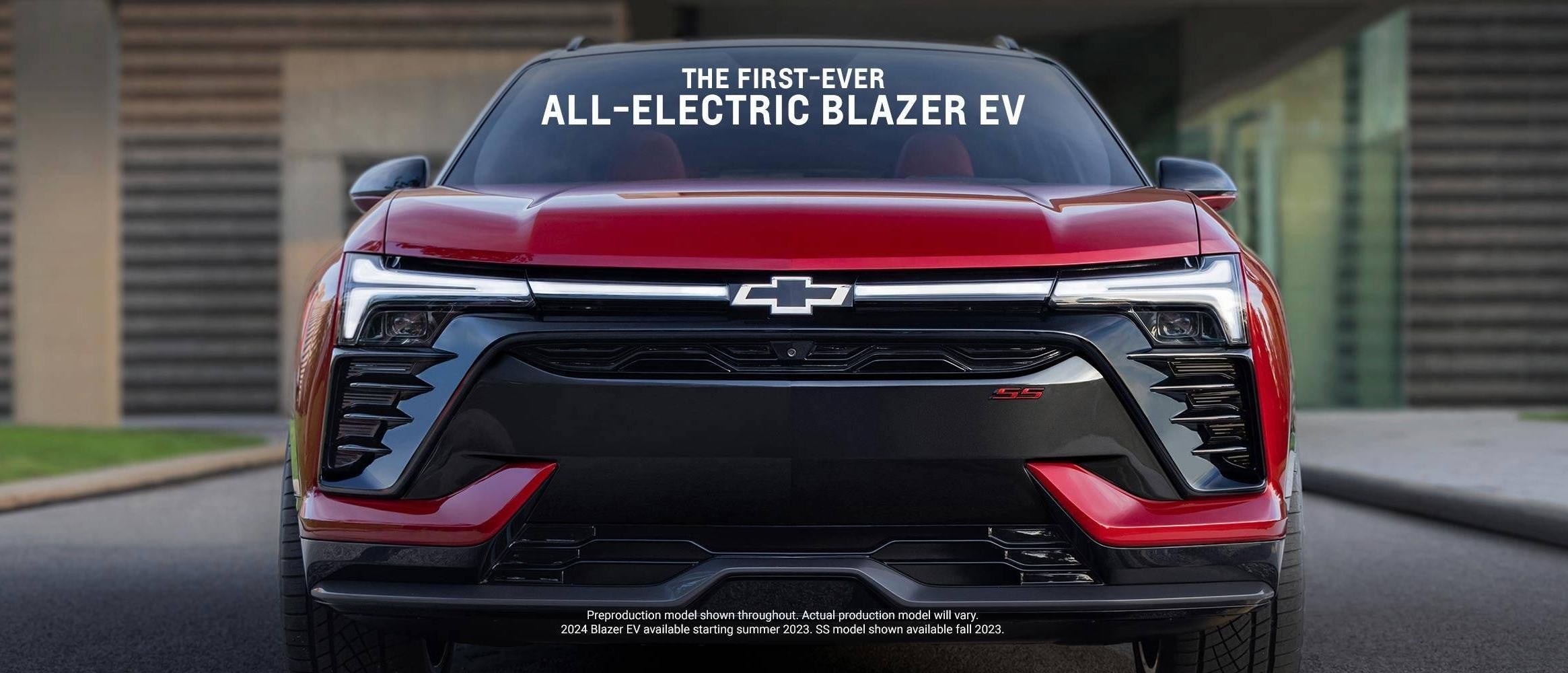
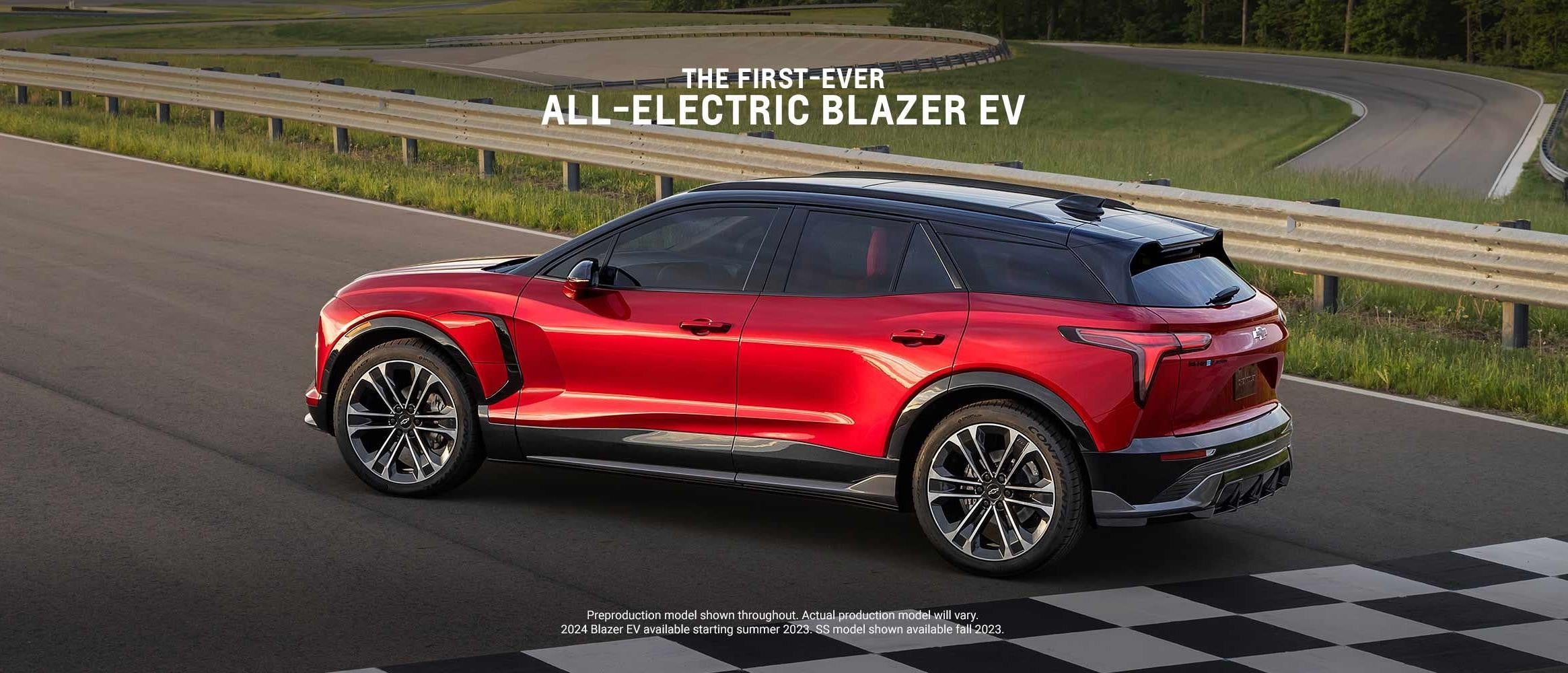
When you step into either vehicle, the similarities between them become apparent. From the exterior designs down to the interior layouts and features, although undergoing minor differences between the two manufacturers. Like many modern-day EVs, the Blazer EV and the Mustang Mach-E have similar safety and driver assistance packages across all designated trims. Both come with automated systems, like Adaptive Cruise Control and Autonomous Emergency Braking. However, the number of connectivity options available in the Chevy Blazer EVs is far more numerous than the Mach-E. And while both vehicles offer heated seats, only the Blazer offers cooled seats, which is noticeably missing on the Mach-E. Unlike some other electric vehicles that cram too many components inside and lose any sense of aesthetic quality due to this, the Blazer EV goes for more of a luxury approach featuring airy cabins with plenty of headroom and seating space (even with optional sunroof). It also has visually appealing screens and a 3x7-inch head-up display.
WHY BUY A CHEVROLET BLAZER EV OVER A FORD MUSTANG MACH-E
When evaluating the capabilities of both vehicles, it's evident that both EVs offer efficient and robust driving experiences. However, if you're seeking an SUV that aligns with your driving preferences and is prepared for future road challenges, the 2024 Chevrolet Blazer EV is the optimal choice. Thanks to its competitive pricing and an array of innovative features, it's no surprise that more and more drivers are opting for Chevrolet over other brands. To explore the full spectrum of what we can offer behind the wheel, get in touch with Selman Chevrolet or visit our dealership in ORANGE, CA today!

All advertising prices include an $85 dealer document preparation charge and $37 electronic filing fee and exclude government fees & taxes, any finance charges, vehicle registration fee and any emission charge. All vehicles subject to prior sale. Photos may not represent actual vehicle (options, colors, trim and body style may vary). Current offers contain information designed to be as comprehensive and factual as possible but can change without notice. While every reasonable effort is made to ensure the accuracy of this information, we are not responsible for any errors or omissions contained here. See a Product Specialist at Selman Chevrolet for details on all offers.
The Manufacturer's Suggested Retail Price excludes tax, title, license, dealer fees and optional equipment. Dealer sets final price.
More Info
How The Blazer EV Compares to Other Models
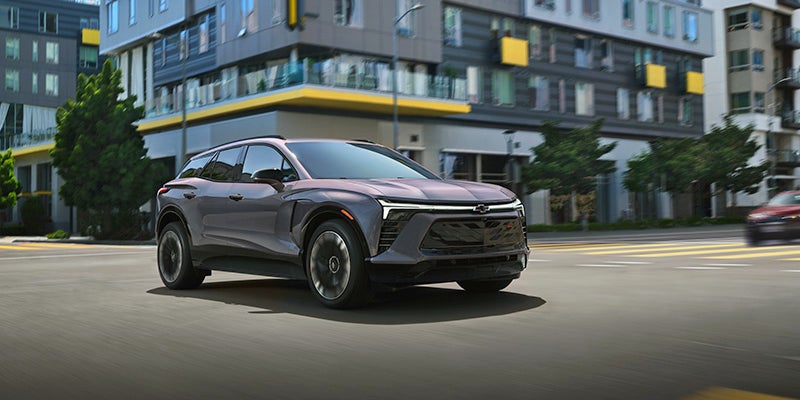
As we delve into the comparison between the Chevrolet Blazer EV and other vehicles in its class, it's essential to highlight the distinctive features that set the Blazer EV apart. Let's go deeper into how the Blazer EV measures up against other models, providing insights to assist you in making an informed decision.
Chevrolet Blazer EV vs Tesla Model Y
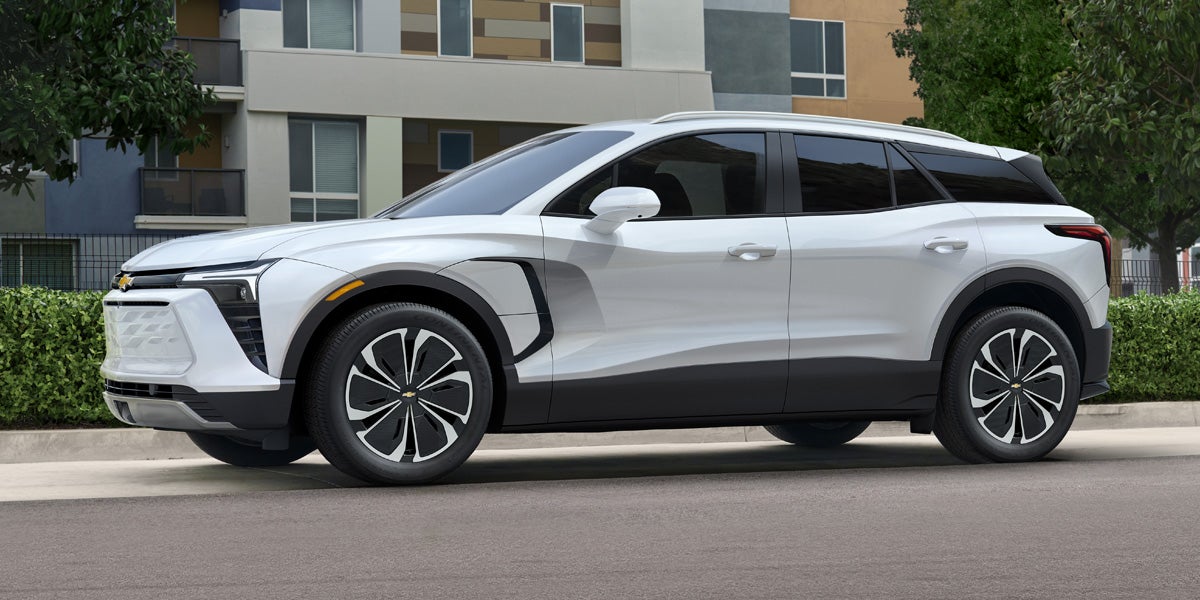
The Chevrolet Blazer EV and Tesla Model Y are exciting electric vehicles, but how do they compare? Both vehicles are all-electric midsize SUVs offering lots of unique features. Unlike the Tesla Model Y which has been produced since 2020, the Blazer EV is Chevrolet’s first stab at making a vehicle powered by electric motors. Chevrolet has slated the vehicle as a 2024 model, signaling the brand’s desire to finally compete in the EV segment.
When comparing the two EVs, factors like trims, price, range, and technology are often used to determine which is a better buy for consumers. The Blazer EV comes with more trim options for prospective buyers as they can choose from the quartet of 1LT, 2LT, RS, and the premium trim, SS. In contrast, Tesla buyers are stuck choosing between either the Long Range or Performance variants of the Model Y.
The Model Y’s range outmatches the range offered by the Blazer EV’s base trim. The 1LT offers up to 247 miles, while the Model Y's Long Range lives up to its name and brings a whopping 318 miles to the table. However, the range battle gets more interesting when the Blazer EV’s upper trim gets compared with the Model Y. The RS offers up to 320 miles, narrowly defeating the Model Y’s 318 miles of range.
Should you Choose the Blazer EV or the Subaru Solterra
The Chevrolet Blazer EV and the Subaru Solterra both represent significant strides in the realm of electric vehicles (EVs), offering consumers greener alternatives to traditional gas-powered vehicles. While the Subaru Solterra boasts Subaru's renowned reliability and all-wheel-drive capability, the Chevrolet Blazer EV stands out as the favored choice for several reasons.
Range:
The Chevrolet Blazer EV is expected to offer a longer range on a single charge compared to the Subaru Solterra. With advancements in battery technology and Chevrolet's experience in electric drivetrains, the Blazer EV is likely to provide a greater driving range, offering consumers more flexibility for longer journeys without needing to recharge as frequently.
Look:
In terms of aesthetics, the Chevrolet Blazer EV sports a sleek and modern design, incorporating Chevrolet's signature design elements with a futuristic twist. Its bold lines, aggressive stance, and contemporary styling cues make it visually striking and appealing to those seeking a more dynamic appearance in an electric SUV. On the other hand, the Subaru Solterra may adopt Subaru's traditional design language, featuring a more rugged and utilitarian look, which could appeal to drivers who prefer a classic SUV aesthetic.
Safety:
Both vehicles are likely to prioritize safety features, but specific implementations may vary. Chevrolet has a reputation for integrating advanced safety technologies into its vehicles, including features such as forward collision warning, automatic emergency braking, and lane-keeping assist systems. The Blazer EV is expected to benefit from these safety features, potentially offering a comprehensive suite of driver assistance systems to enhance safety on the road. Similarly, Subaru is renowned for its commitment to safety, often equipping its vehicles with Symmetrical All-Wheel Drive and EyeSight Driver Assist Technology as standard or optional features. The Subaru Solterra is likely to continue this trend, providing a high level of safety for occupants and other road users.